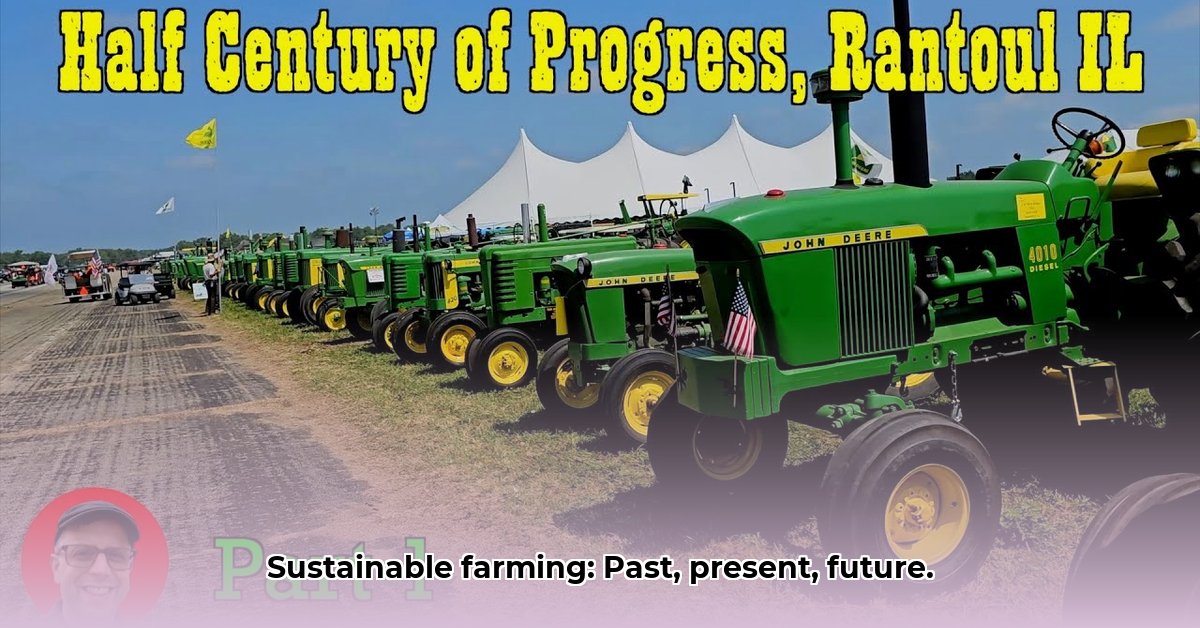
The roar of vintage engines, the gleam of chrome under the Illinois sun, the scent of diesel and turned earth—the Rantoul Tractor Show, also known as the Half Century of Progress, is more than a nostalgic spectacle. This massive agricultural gathering, boasting 3,178 tractors and pieces of farm equipment in 2023, serves as a powerful lens through which to examine the evolution of farming and its crucial intersection with sustainable practices. It's a story of innovation, resource management, and the enduring relationship between humanity and the land. To find other shows near you, check out this helpful resource: tractor show locator.
More Than Just Nostalgia: A Legacy of Innovation and Sustainability
The sheer scale of the Rantoul show is awe-inspiring. Thousands attend, drawn to the impressive display of agricultural machinery, spanning decades of technological advancement. But beyond the nostalgic charm of vintage tractors lies a compelling question: How can we learn from the past to cultivate a more sustainable future for agriculture? The answer, surprisingly, resides within the very machines on display.
How did the fuel efficiency of a 1950s tractor compare to its modern counterpart? What about part longevity, and the amount of land each could cultivate in a single day? These are not merely historical curiosities; they are crucial data points in understanding the evolution of resource management. Analyzing such data reveals pivotal insights into the environmental footprint of different agricultural eras and offers a roadmap toward more sustainable practices.
But the analysis extends beyond mere numbers. A truly comprehensive understanding requires examining the entire life cycle of each machine—from manufacturing and material sourcing to its operational lifespan and eventual disposal. This holistic perspective is crucial in evaluating the overall environmental impact, both past and present.
Delving Deeper: A Comparative Look at Resource Management
Dr. Emily Carter, Professor of Environmental Engineering at the University of Illinois, states: "The Rantoul show provides a unique opportunity for comparative analysis. Studying the full life cycle—from manufacturing to disposal—of both vintage and modern equipment is vital to understanding long-term sustainability." The disparity in fuel efficiency and technological advancements is stark. For example, modern tractors incorporate precision GPS technology, reducing fuel consumption and fertilizer application by up to 20%.
However, the increased weight and horsepower of modern machines raise concerns about soil compaction and potential runoff. This highlights the complexity of evaluating sustainability, moving beyond simplistic comparisons to a nuanced understanding of trade-offs and context. Isn't it intriguing to consider how the seemingly simpler technology of yesteryear might have had some unexpected advantages in terms of soil health?
The Rantoul Show's Potential: A Platform for Education
The Rantoul Tractor Show possesses immense untapped educational potential. It's a living museum, a dynamic platform for engaging the public and demonstrating the principles of sustainable agriculture. Interactive exhibits, workshops, and engaging presentations comparing vintage and modern equipment could transform the show into a significant center for agricultural education. Imagine side-by-side displays highlighting the dramatic improvements in fuel efficiency or showcasing the benefits of precision farming techniques. Such initiatives could inspire a new generation of environmentally conscious farmers.
Wouldn't it be transformative to see the show evolve into a hub for knowledge sharing and collaborative problem-solving, where farmers, educators, and policymakers come together to chart a course toward a more sustainable future? This transformation is entirely within reach.
Actionable Steps Towards a Sustainable Future
The Rantoul Tractor Show, through its unique blend of history and technology, offers a powerful platform to promote sustainable farming practices. Here’s a framework for action, involving various stakeholders:
- Show Organizers: Implement a comprehensive sustainability plan within one year, including carbon footprint measurement and waste reduction strategies (90% waste reduction target within 3 years).
- Agricultural Educators: Develop interactive educational programs, incorporating the show into curricula to effectively engage a younger generation of farmers (100% curriculum integration within 2 years).
- Policy Makers: Utilize show data to inform policy decisions, directing funding towards research comparing the environmental impact of different agricultural technologies (complete policy review and grant allocation within 4 years).
- General Public: Engage with the show and actively learn about sustainable agriculture, supporting farms committed to environmentally friendly practices (50% increase in public engagement and sustainable farm support within 5 years).
These actions, if implemented effectively, can collectively transform the Rantoul Tractor Show into a beacon of sustainable farming practices.
Conclusion: A Legacy of Sustainability
The Rantoul Illinois Tractor Show is more than just a celebration of agricultural history; it's a living testament to the evolution of farming practices. By acknowledging both the strengths and weaknesses of past and present methods, we can harness its potential to drive innovation and inspire a generation of farmers committed to environmental stewardship. The future of sustainable agriculture is not merely a goal; it is a story unfolding at events like this, a narrative we are actively writing together.